








How Emergency Boarding Up Protects Your Property After a Break-In or Storm Damage
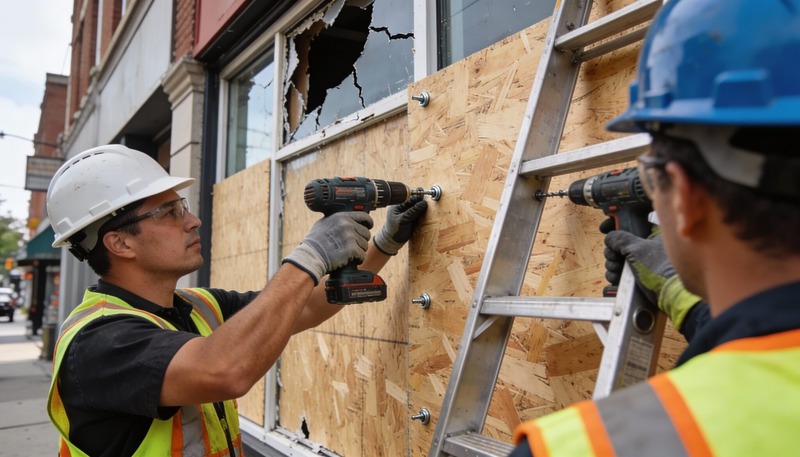
When a property is exposed after a break-in or severe weather, the risk does not end with the initial damage. Broken windows, shattered doors, or compromised entry points leave buildings vulnerable to further harm, theft, and environmental exposure. Acting quickly is essential, and this is where emergency boarding up becomes a critical first step in protecting your property.
Whether you own a home, manage a rental, or run a commercial premises, securing the site immediately helps prevent escalation. Beyond simply covering a broken window, it offers a practical and reliable barrier against ongoing risks.
Immediate Protection Against Further Damage
After an incident, the structure of a property is often weakened. Wind, rain, and debris can enter through broken areas, causing internal damage that can quickly become costly. Water exposure, for instance, can lead to mould growth, warped flooring, or damage to electrical systems.
Emergency boarding up provides an immediate physical shield. By sealing exposed areas, it limits the intrusion of weather elements and stabilises the environment inside. This quick intervention can significantly reduce repair costs by preventing secondary damage.
Deterring Opportunistic Crime
A damaged property can attract unwanted attention. Visible signs of vulnerability may invite opportunistic theft, vandalism, or even squatting. Once a building appears unsecured, it becomes a target.
Installing emergency boarding up sends a clear message that the property is being managed and protected. Strong boarding materials act as a deterrent, making it far more difficult for unauthorised individuals to gain access. This is particularly important for commercial properties or vacant homes, where ongoing supervision may be limited.
Supporting Insurance Compliance
Insurance policies often require property owners to take reasonable steps to minimise further loss after an incident. Failing to secure the premises could potentially affect claims or compensation.
Using emergency boarding up demonstrates that proactive measures have been taken. It shows insurers that you acted responsibly to prevent additional damage or theft, which can support a smoother claims process.
Maintaining Safety for Occupants and the Public
Broken glass and unstable structures present serious safety hazards. Sharp edges, falling debris, and exposed interiors can pose risks not only to occupants but also to neighbours, pedestrians, or staff.
Boarding up damaged areas helps eliminate these hazards. It creates a secure boundary, reducing the likelihood of injury while longer-term repairs are arranged. For businesses, this is especially important in maintaining compliance with safety standards and avoiding liability issues.
Preserving Privacy and Peace of Mind
A compromised property often leaves interiors exposed. This can feel unsettling, particularly for homeowners who have experienced a break-in. Personal belongings may be visible, increasing anxiety and stress.
Emergency boarding up restores a sense of privacy. It blocks visibility from outside and helps occupants feel more secure during a difficult time. For businesses, it also protects sensitive equipment, stock, or documents from being seen or accessed.
A Practical Step Towards Full Restoration
Boarding up is not a permanent solution, but it plays a vital role in the recovery process. It buys valuable time to organise repairs, assess structural issues, and coordinate with contractors or insurers.
By securing the property early with emergency boarding up, you create a controlled environment where proper restoration can take place without added complications. It ensures that the situation does not worsen while long-term fixes are planned.
When Should You Arrange Boarding Up?
Timing is crucial. Ideally, boarding should be arranged as soon as damage occurs. Delays can increase exposure to weather, theft, and further deterioration.
Situations that typically require immediate boarding include break-ins, storm damage, accidental impacts, fire-related damage, or vandalism. In each case, the goal remains the same: secure the property quickly and effectively.
Conclusion
Property damage can be disruptive, stressful, and costly. However, the actions taken immediately afterwards can make a significant difference in how the situation unfolds. Emergency boarding up offers a fast, reliable way to protect your property, prevent further damage, and restore a sense of control.
By securing exposed areas, deterring crime, and supporting insurance requirements, it serves as a crucial first step in recovery. Whether dealing with a residential or commercial property, prompt boarding up ensures that you are not just reacting to damage, but actively preventing it from getting worse.