







Seasonal HVAC Tips: Simple Ways to Lower Your Energy Bills
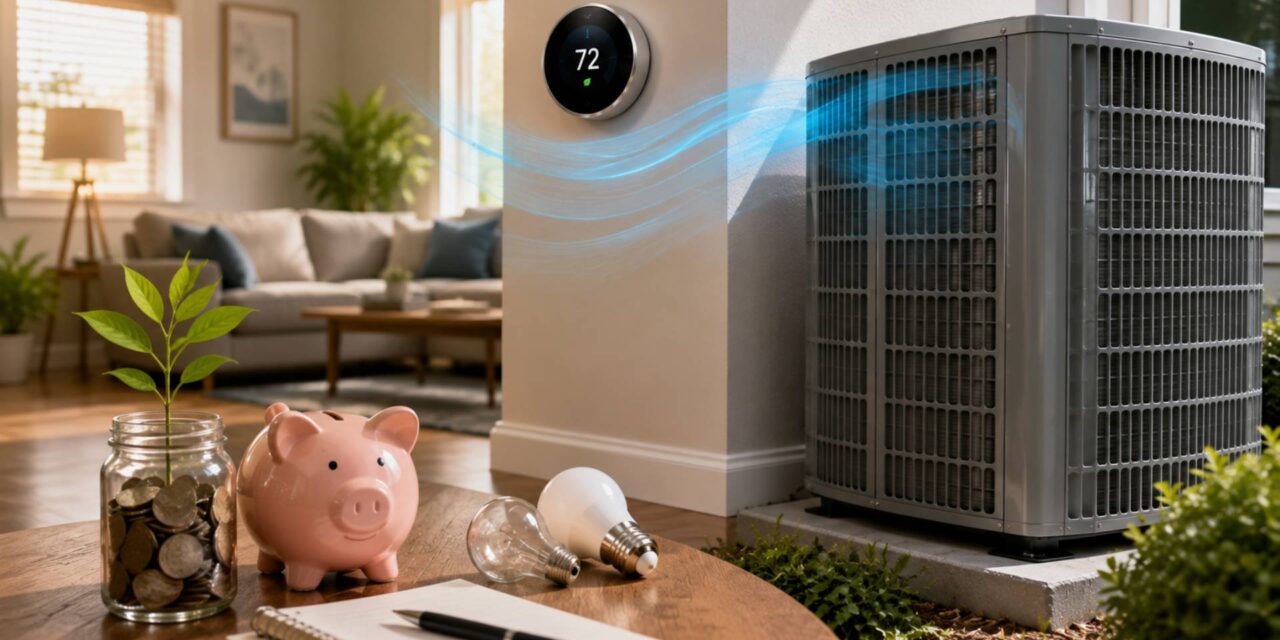
Heating and cooling account for a significant portion of a home’s energy use throughout the year. During the hottest days of summer and the coldest months of winter, your HVAC system often works harder and runs longer to keep your home comfortable. If the system isn’t properly maintained, it can become less efficient over time, leading to higher utility bills and unnecessary wear on important components.
The good news is that reducing your energy costs doesn’t always require replacing your HVAC system. Small maintenance tasks and a few smart habits can improve efficiency and help your equipment perform at its best. Whether you’re preparing for changing weather or looking into seasonal HVAC maintenance for homes, taking care of your system throughout the year can make a noticeable difference in both comfort and energy savings.
Why Regular HVAC Maintenance Is Worth It
Your HVAC system works almost every day, even if you don’t think about it very often. Dust builds up, air filters become clogged, moving parts experience wear, and outdoor units collect dirt and debris over time. These small issues may not seem like a big deal individually, but together they can force your system to work much harder than necessary.
When an HVAC system has to work longer to heat or cool your home, it naturally uses more energy. That increased workload can also shorten the lifespan of important components and increase the likelihood of unexpected repairs. Seasonal maintenance helps identify these small issues before they affect performance, allowing your system to operate more efficiently throughout the year.
Replace Your Air Filter Regularly
One of the easiest and most effective ways to improve HVAC efficiency is by replacing the air filter on a regular schedule. The filter traps dust, pollen, pet hair, and other airborne particles before they circulate through your home. As it collects debris, airflow becomes more restricted, forcing the system to work harder to maintain the desired temperature.
A clean filter allows air to move freely through the system, improving efficiency and supporting better indoor air quality. Depending on the type of filter you use, the number of people living in your home, and whether you have pets, replacement schedules may vary. Checking the filter every month and replacing it when necessary is a simple habit that can contribute to lower energy bills.
Keep the Outdoor Unit Clean
Your outdoor HVAC unit needs plenty of open airflow to operate efficiently. Throughout the year, leaves, grass clippings, dirt, branches, and other debris can collect around the unit and block ventilation. When airflow is restricted, the system must work harder to release heat during the cooling season.
Take a few minutes each season to inspect the area around the outdoor unit. Remove leaves, trim nearby shrubs, and keep at least a couple of feet of open space around the equipment whenever possible. Cleaning away debris helps improve efficiency and reduces unnecessary strain on the system.
Use Your Thermostat Wisely
Many homeowners don’t realize how much their thermostat settings affect energy use. Keeping the temperature slightly higher in summer or slightly lower in winter when the house is empty can reduce the amount of time your HVAC system needs to run.
If your home has a programmable or smart thermostat, setting automatic schedules based on your daily routine makes this process even easier. Instead of heating or cooling an empty house all day, the system can adjust temperatures when needed while still providing comfort when everyone returns home.
Small thermostat adjustments made consistently throughout the year can lead to noticeable savings over time.
Seal Air Leaks Around Your Home
Even an efficient HVAC system has to work harder if conditioned air keeps escaping. Small gaps around windows, doors, attic openings, and other areas allow heated or cooled air to leak outside while letting outdoor air enter your home.
Sealing these leaks helps your HVAC system maintain indoor temperatures more efficiently. Weatherstripping around doors, replacing worn window seals, and adding caulk where needed are simple improvements that can reduce energy loss without requiring major renovations.
Better insulation and fewer air leaks also improve overall comfort by reducing drafts throughout the home.
Watch for Signs Your HVAC System Needs Attention
Your heating and cooling system often provides early warning signs before efficiency begins to decline significantly. Paying attention to these changes allows you to address problems before they become expensive repairs.
Some common signs include:
- Higher-than-normal energy bills
- Uneven temperatures between rooms
- Weak airflow from vents
- Unusual noises during operation
- Frequent cycling on and off
- Difficulty reaching the thermostat setting
- Excess dust around vents
- Unpleasant odors when the system runs
If you notice one or more of these symptoms, scheduling an inspection can help identify the underlying issue before it affects the entire system.
Don’t Block Air Vents
Furniture, curtains, storage boxes, or rugs placed over supply or return vents can interfere with proper airflow throughout your home. When air cannot circulate efficiently, your HVAC system may run longer to maintain the desired temperature.
Walk through your home each season and make sure vents remain open and unobstructed. Even moving a sofa a few inches away from a vent can improve airflow and help your heating and cooling system operate more effectively.
Keeping vents clean by vacuuming away dust also supports better airflow and indoor air quality.
Schedule Professional HVAC Maintenance
While homeowners can handle basic maintenance tasks, professional inspections provide a much more thorough evaluation of the system. During a maintenance visit, technicians inspect electrical components, refrigerant levels, blower motors, safety controls, drainage systems, and other critical parts that are difficult to evaluate without specialized knowledge.
Professional maintenance helps identify worn components before they fail and ensures the system is operating safely and efficiently. Scheduling inspections before summer and winter allows potential issues to be corrected before your HVAC system experiences its highest workload.
Regular servicing is one of the most effective ways to maintain energy efficiency over the long term.
Use Ceiling Fans to Support Your HVAC System
Ceiling fans don’t actually lower or raise the temperature of a room, but they help move air more efficiently throughout the space. During the summer, fans create a cooling breeze that allows homeowners to feel comfortable while setting the thermostat slightly higher.
In winter, reversing the fan direction helps push warm air that naturally rises toward the ceiling back down into the living area. This improved air circulation can reduce the workload on your heating system and contribute to lower energy consumption throughout the year.
Build Seasonal Maintenance Into Your Routine
The most energy-efficient HVAC systems aren’t necessarily the newest ones. They’re often the systems that receive consistent care throughout the year. Creating a simple seasonal checklist helps ensure important maintenance tasks aren’t forgotten as the weather changes.
Checking air filters, inspecting outdoor equipment, testing the thermostat, cleaning vents, sealing air leaks, and scheduling professional inspections all contribute to better system performance. These small maintenance habits not only improve energy efficiency but also help extend the life of your HVAC equipment.
Conclusion
Lowering your energy bills doesn’t always require major upgrades or expensive equipment. In many cases, simple seasonal maintenance and a few everyday habits can make a meaningful difference in how efficiently your HVAC system operates.
By replacing air filters, keeping the outdoor unit clean, sealing air leaks, using your thermostat wisely, and scheduling regular professional maintenance, you can reduce unnecessary energy use while keeping your home comfortable throughout the year. Taking a proactive approach today can help you enjoy lower utility bills, fewer repairs, and a heating and cooling system that performs reliably in every season.