







How to Future-Proof Your Radiator System for Hydrogen-Ready Boilers
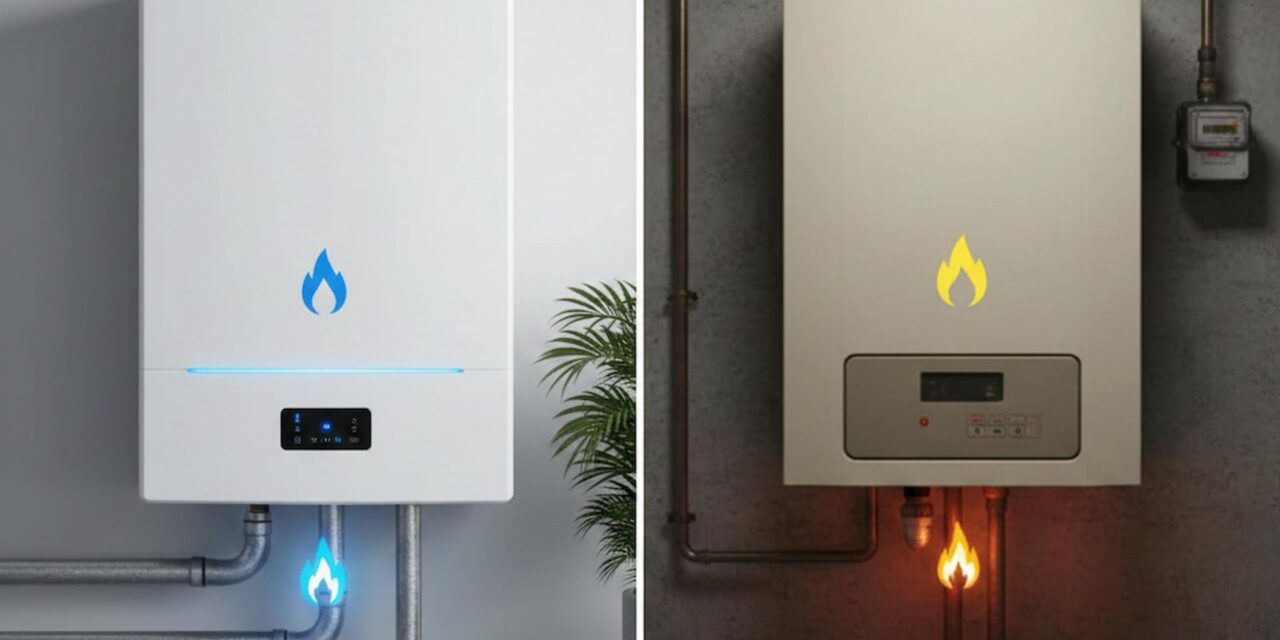
As the UK continues its transition towards low-carbon heating, hydrogen-ready boilers are gaining attention as a potential long-term solution. Designed to operate on natural gas now and switch to hydrogen in the future, these systems represent a step towards reducing carbon emissions without requiring a complete overhaul of existing infrastructure. However, while boilers may be evolving, your radiator system also needs to be prepared to support this shift effectively.
One important consideration when upgrading your heating setup is ensuring compatibility between heat sources and emitters. For instance, choosing the right radiator type such as an electric column radiator can offer both flexibility and efficiency, especially in homes looking to adapt gradually to future technologies. This approach allows homeowners to maintain comfort levels while aligning with evolving energy standards.
Understanding Hydrogen-Ready Boilers
Hydrogen-ready boilers are designed to work with natural gas initially but can be converted to run on hydrogen when supply networks are established. Hydrogen burns differently from natural gas, but modern boiler designs aim to replicate similar performance levels, ensuring minimal disruption for users.
While the boiler itself may be capable of adapting, the wider heating system including radiators, pipework, and controls must also be optimised to handle changes in efficiency and heat output. Hydrogen systems are expected to operate at similar temperatures, but efficiency improvements may influence how heat is distributed throughout the home.
Assessing Your Current Radiator System
Before making any changes, it is essential to evaluate your existing radiator system. Older radiators, particularly those designed decades ago, may not perform efficiently under modern heating standards. They often require higher flow temperatures to deliver adequate warmth, which can reduce overall system efficiency.
When assessing your system, consider the radiator size and heat output, as well as the material and overall design. The age and condition of each unit also play an important role, along with how well the system integrates with modern heating controls. Upgrading outdated radiators can significantly improve heat distribution and ensure your system is ready for future energy sources.
Opt for High-Efficiency Radiators
Modern radiators are designed with efficiency in mind. They heat up faster, retain warmth more effectively, and distribute heat more evenly. When preparing for hydrogen-ready systems, choosing radiators that perform well at lower or moderate temperatures can be particularly beneficial.
Column radiators, for example, offer a balance between traditional design and modern efficiency. Their larger surface area allows for effective heat output without requiring excessive energy input. This makes them suitable for evolving heating technologies, including hydrogen-based systems.
Consider System Flexibility
Future-proofing is not only about immediate compatibility but also about adaptability. A flexible heating system allows for gradual upgrades rather than requiring a full replacement all at once.
Electric radiators can play a key role here. They provide an independent heating solution that does not rely solely on a central boiler. This can be useful during transitional periods, especially if hydrogen infrastructure is introduced in stages across different regions.
By incorporating a mix of heating solutions, homeowners can maintain control over energy usage while adapting to new technologies at their own pace.
Upgrade Your Controls and Thermostats
Heating controls are often overlooked, yet they play a crucial role in overall system efficiency. Smart thermostats and zoned heating controls allow you to manage heat distribution with greater precision, reducing energy waste while improving comfort throughout the home. These systems give you more control over when and where heat is used, helping to create a balanced and efficient environment.
With hydrogen-ready systems, efficient control becomes even more important. As energy costs shift and environmental considerations continue to influence household decisions, the ability to adjust heating patterns based on actual usage can make a noticeable difference. Upgrading to smart thermostats with remote access allows you to manage your heating from anywhere, while zoned systems ensure individual rooms are heated only when needed. Programmable timers also help maintain consistent schedules, supporting both comfort and efficiency. Together, these upgrades prepare your system for integration with future smart energy networks.
Improve Insulation and Heat Retention
A future-proof heating system is not only about generating heat effectively but also about retaining it. Improving insulation within your home reduces the overall demand on your heating system, allowing it to operate more efficiently regardless of the energy source being used.
Focusing on areas such as loft and wall insulation can significantly reduce heat loss, while double or triple glazing improves thermal performance and reduces draughts. Draught-proofing doors and windows further enhances your home’s ability to retain warmth. By minimising heat escape, your radiator system can perform more effectively even as energy systems evolve. This also helps maintain a stable indoor temperature without placing unnecessary strain on your boiler.
Ensure Proper System Maintenance
Regular maintenance is essential for ensuring your heating system continues to operate efficiently over time. As systems age, sludge and debris can accumulate within radiators and pipework, restricting water flow and reducing overall performance. This not only affects heating efficiency but can also lead to higher energy consumption.
Taking simple steps such as bleeding radiators helps remove trapped air, allowing them to heat more evenly. Power flushing the system can clear built-up debris, restoring efficiency and improving circulation. Additionally, checking for leaks or signs of corrosion ensures that potential issues are addressed before they become more serious problems. A well-maintained system is more reliable, performs better, and is far better prepared to handle future upgrades, including the transition to hydrogen-ready boilers.
Plan for Long-Term Upgrades
Future-proofing does not mean making every change immediately. Instead, it involves planning upgrades strategically over time. Start by addressing the most critical areas, such as inefficient radiators or outdated controls, and gradually move towards a more adaptable system.
Working with heating professionals can help you identify the best approach based on your home’s layout, existing infrastructure, and long-term goals. This ensures that each upgrade contributes to a cohesive and efficient system.
The Role of Sustainability in Heating Choices
As the UK moves towards net-zero targets, sustainability is becoming a central factor in heating decisions. Hydrogen-ready boilers are part of a broader effort to reduce reliance on fossil fuels, but their effectiveness depends on the overall system design.
Choosing efficient radiators, improving insulation, and adopting smart controls all contribute to a more sustainable home. These steps not only support environmental goals but also help manage energy costs in the long run.
Conclusion
Future-proofing your radiator system for hydrogen-ready boilers is a practical and forward-thinking step in today’s evolving energy landscape. While the technology behind boilers continues to advance, the efficiency and adaptability of your radiators remain equally important.
By upgrading to modern, high-efficiency radiators, improving system controls, and enhancing insulation, you can create a heating system that is both resilient and adaptable. The goal is not just to keep up with change, but to stay ahead of it ensuring your home remains comfortable, efficient, and ready for the future of heating.