





Understanding Staff Qualifications in Modern Care Homes

What truly sets a great care home apart? It’s the expertise and training of the people providing care every day. From essential certifications to advanced skills, staff qualifications shape safety, comfort, and dignity—giving families confidence that their loved ones are in capable, compassionate hands.
When exploring different care options, many families come across care homes in Abingdon Oxfordshire as part of their search, and one of the most important factors to consider is the quality of the staff. Qualifications are not just certificates on paper; they reflect the skills, knowledge, and accountability needed to deliver safe, effective, and compassionate care.
Modern care homes operate in a highly regulated environment. Residents often have complex needs, including medical conditions, mobility challenges, and emotional support requirements. As a result, staff must be properly trained to manage these responsibilities with confidence and care.
Qualified staff reduce risks, improve resident wellbeing, and create a more structured and reassuring environment for both residents and their families.
The Core Qualifications You Should Know
Health and Social Care Diplomas
Most care home staff are expected to hold a Level 2 or Level 3 Diploma in Health and Social Care. These qualifications cover essential areas such as personal care, safeguarding, communication, and understanding individual needs.
A Level 2 qualification is typically the entry point, while Level 3 demonstrates a deeper understanding and often prepares staff for senior roles.
Mandatory Training Certifications
In addition to formal diplomas, staff must complete mandatory training. This ensures they can respond effectively in real-life situations.
Common areas include:
- First aid and basic life support
- Safeguarding vulnerable adults
- Infection control and hygiene
- Manual handling and mobility support
These certifications are regularly updated to keep skills current and aligned with best practices.
Specialist Training
Many care homes now offer additional training tailored to specific resident needs. This might include dementia care, palliative care, or mental health support.
Specialist training allows staff to deliver more personalised care, which is increasingly expected in modern facilities.
The Role of Continuous Professional Development
Qualifications are only the starting point. The best care homes invest in ongoing learning through Continuous Professional Development (CPD).
CPD ensures that staff stay updated with evolving care standards, new technologies, and improved care techniques. It also encourages personal growth, which directly benefits residents.
In high-quality care homes in Abingdon Oxfordshire, you will often find structured training programmes that include workshops, refresher courses, and performance reviews. This commitment to learning reflects a proactive approach to care.
Understanding Staff Roles and Responsibilities
Care Assistants
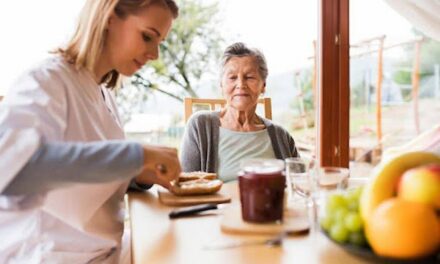
Care assistants are the backbone of any care home. They provide daily support with tasks such as dressing, eating, and mobility. Their qualifications ensure they can deliver care safely and respectfully.
Senior Carers
Senior carers typically hold advanced qualifications and oversee care assistants. They are responsible for care planning, medication management, and ensuring standards are maintained.
Nurses and Clinical Staff
In nursing care homes, registered nurses play a vital role. They bring clinical expertise, manage medical treatments, and monitor residents’ health conditions.
Management and Leadership
Care home managers are required to have leadership qualifications alongside care-related training. Their role is to ensure compliance with regulations, maintain staff standards, and create a positive care environment.
How Qualifications Impact Quality of Care
Well-qualified staff contribute directly to higher standards of care. They are better equipped to identify early signs of health issues, communicate effectively with residents, and handle emergencies calmly.
Training also improves consistency. Residents receive the same level of care regardless of which staff member is assisting them. This consistency builds trust and comfort, which is especially important for vulnerable individuals.
Furthermore, qualified staff are more confident in their roles. This confidence translates into better interactions, improved emotional support, and a more positive atmosphere within the care home.
What Families Should Look For
When visiting or researching care homes, understanding staff qualifications can help guide your decision.
Key indicators of strong staffing include:
- Evidence of recognised qualifications among care staff
- Regular training updates and certifications
- A clear structure of roles and responsibilities
- Staff who can confidently explain their training and experience
It is also helpful to observe how staff interact with residents. Professional training often reflects in calm, respectful, and attentive behaviour.
Key Takeaways for Choosing the Right Care Home
- Check if staff hold recognised health and social care qualifications
- Ask about ongoing training and development programmes
- Look for specialist training aligned with residents’ needs
- Observe staff interactions during visits
- Prioritise care homes that invest in staff growth and education
These simple steps can make a significant difference when assessing the quality of care.
The Future of Staff Training in Care Homes
The care sector continues to evolve, and staff training is evolving with it. Digital learning platforms, simulation-based training, and advanced certifications are becoming more common.
There is also a growing emphasis on soft skills such as empathy, communication, and emotional intelligence. These qualities are just as important as technical knowledge in delivering compassionate care.
As expectations rise, care homes that prioritise staff qualifications will continue to stand out. Families are increasingly aware of what quality care looks like, and well-trained staff are at the heart of that standard.
Frequently Asked Questions About Home Care
What qualifications should care home staff have?
Care home staff should typically hold Level 2 or Level 3 Diplomas in Health and Social Care. These qualifications ensure they understand essential care practices, safeguarding, and communication. Additional mandatory training, such as first aid and infection control, is also required to maintain safety and compliance within care environments.
Is ongoing training important in care homes?
Yes, ongoing training is essential because care standards and practices change over time. Continuous Professional Development helps staff stay updated, improve their skills, and provide better care. It also ensures that staff can handle new challenges effectively while maintaining high levels of safety and professionalism.
Do all care homes provide specialist training?
Not all care homes offer specialist training, but high-quality facilities often do. This training may include dementia care, mental health support, or palliative care. Specialist skills enable staff to meet specific resident needs more effectively, leading to a more personalised and supportive care experience.
How do staff qualifications affect resident safety?
Qualified staff are trained to identify risks, respond to emergencies, and provide safe care. Their knowledge reduces the likelihood of errors and ensures that residents receive appropriate support. This directly contributes to a safer living environment and better overall health outcomes.
Can families ask about staff training during visits?
Yes, families are encouraged to ask about staff qualifications and training. Reputable care homes will openly share this information. Understanding the staff’s expertise helps families make informed decisions and ensures confidence in the level of care provided.
Conclusion
Understanding staff qualifications provides valuable insight into the quality of a care home. From foundational diplomas to ongoing training, each element plays a role in shaping the care experience.
When exploring care homes in Abingdon Oxfordshire, taking the time to evaluate staff credentials can offer reassurance and clarity. Qualified, well-trained professionals create safer environments, deliver better care, and ensure residents feel respected and supported.
In the end, strong staff qualifications are not just a requirement—they are a reflection of a care home’s commitment to excellence.