






The Logistics of Transporting and Installing Inflatable Advertising Structures
Moving and setting up inflatable advertising structures is more than a quick task. It requires planning, timing, and clear processes. From transport choices to safe installation, every step affects visibility, durability, and impact. Understanding these logistics ensures inflatables perform reliably and deliver consistent promotional value.
Inflatable advertising structures are designed to be eye-catching and flexible. However, their success depends heavily on how they are transported, handled, and installed. Poor logistics can lead to delays, damage, or ineffective placement. By contrast, a structured approach ensures the inflatable reaches the site in good condition and performs as intended.
Planning starts long before the structure is unpacked. Size, weight, location, and setup conditions all influence logistics. Whether the design resembles an inflatable car or another promotional form, the principles of safe movement and controlled installation remain the same. Clear planning reduces risk and supports smooth execution.
Pre-Transport Planning and Preparation
Effective logistics begin with preparation. Before transport, the inflatable must be fully deflated, cleaned, and dried. Moisture or trapped air increases bulk and can weaken materials over time. Folding should follow manufacturer guidance to avoid stress on seams and printed areas.
Transport planning should account for distance and handling needs. Inflatable structures are lightweight but can be bulky. This means packaging must protect the surface while allowing easy loading and unloading. The aim is to minimise friction, bending, and impact during transit.
Key preparation steps often include:
- Full deflation and air release
- Surface inspection for wear or damage
- Protective wrapping or storage bags
- Labelling for orientation and handling
These steps keep the structure stable and ready for use on arrival.
Choosing the Right Transport Method
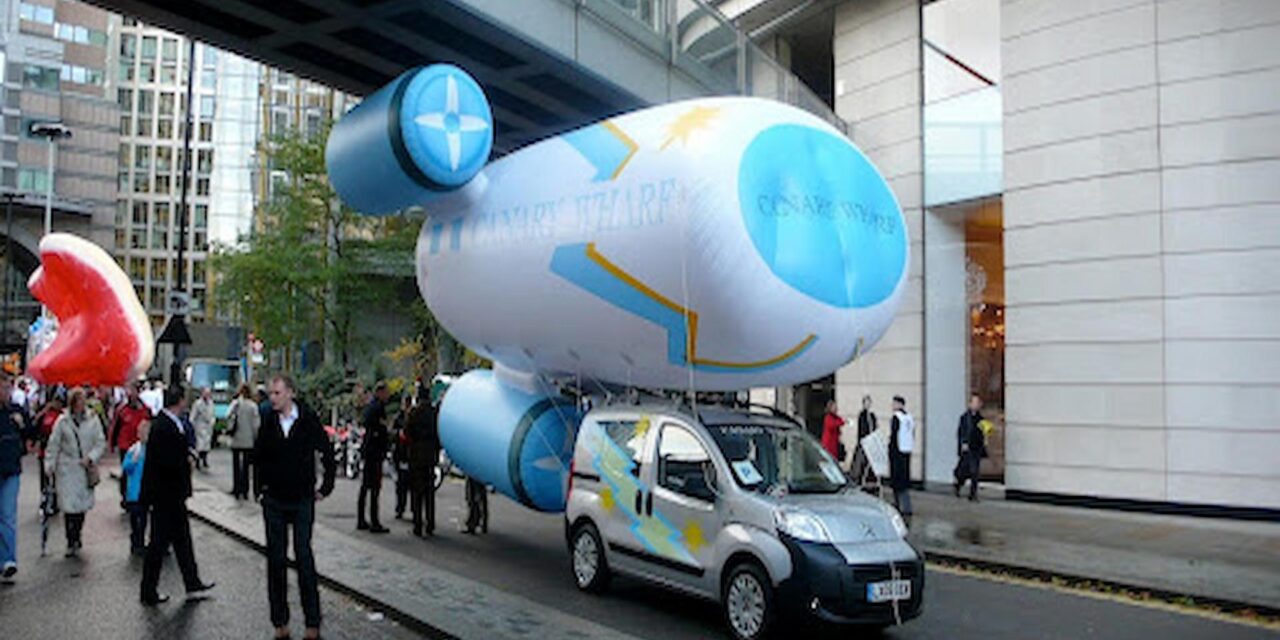
The transport method depends on size, quantity, and location. Smaller inflatables can often be moved using standard vehicles, while larger structures require vans with sufficient space. The goal is to keep the inflatable flat and supported throughout the journey.
Loading should be done carefully. Dragging or compressing the inflatable can strain seams and weaken fabric. Instead, lifting and positioning with care helps preserve its shape and finish. Secure placement inside the vehicle prevents shifting during travel.
It is also important to consider access at the destination. Tight entrances or uneven ground can complicate unloading. Planning for these factors ensures the inflatable can be moved directly to the setup area without unnecessary handling.
Site Assessment Before Installation
A proper site assessment is essential. The ground surface must be flat, clean, and free from sharp objects. Even small debris can damage the base of an inflatable over time. Space around the structure is equally important to allow airflow and visibility.
Environmental conditions should also be reviewed. Wind exposure, temperature, and surrounding obstacles affect installation decisions. While inflatables are designed for outdoor use, controlled conditions always improve stability and lifespan.
Power access is another consideration. Inflation systems require a reliable power source positioned safely away from foot traffic. Planning this in advance avoids last-minute adjustments that could compromise safety.
Step-by-Step Installation Process
Installation should follow a clear sequence. First, the inflatable is unrolled and positioned correctly. Orientation matters, especially for branded designs. Once in place, inflation begins gradually to ensure even expansion.
During inflation, constant monitoring is important. This allows early detection of folds, twists, or uneven pressure. Adjustments made at this stage prevent long-term strain on materials.
Once fully inflated, securing measures are applied. Anchoring points must be firm but not overly tight. Balanced tension keeps the structure stable without stressing the fabric. This controlled process ensures the inflatable stands securely and maintains its intended shape.
Managing Time and Labour Efficiently
Inflatable installations are often chosen for their speed. However, rushing the process can cause errors. Allocating adequate time for each stage improves efficiency overall. This includes unloading, setup, inspection, and final positioning.
Labour requirements are usually modest, but coordination is key. Clear roles reduce confusion and prevent unnecessary handling. Even simple structures benefit from an organised approach, especially when visibility and presentation are priorities.
By planning time realistically, installations remain calm and controlled. This leads to better outcomes and reduces the chance of repeat adjustments.
Ongoing Monitoring During Use
Once installed, inflatables still require attention. Regular checks ensure air pressure remains stable and anchoring stays secure. Changes in weather or foot traffic can affect positioning over time.
Monitoring also supports longevity. Early detection of minor issues prevents larger problems later. While inflatables are durable, consistent oversight ensures they perform reliably throughout their display period.
This ongoing care is a key part of logistics, as it links installation quality with long-term performance.
Packing Down and Return Transport
At the end of use, deflation and packing must be handled with the same care as setup. Power should be switched off before controlled deflation begins. Allowing air to escape fully makes folding easier and reduces strain.
Cleaning before packing is recommended. Dirt or moisture trapped during storage can affect material quality. Once folded, the inflatable should be stored in its protective bag, ready for transport.
Transport back to storage follows the same principles as delivery. Stable placement and careful handling protect the structure for future use, whether it is an inflatable car or another advertising form.
How Structured Logistics Improve Performance and Safety
Well-managed logistics protect both the inflatable and the brand it represents. Clean installation, stable positioning, and efficient handling create a professional appearance. This reinforces trust and ensures the advertising message is delivered clearly.
Poor logistics, on the other hand, can undermine impact. Delays, damage, or unstable setups distract from the intended message. By investing attention in transport and installation processes, businesses maximise value and reduce avoidable risks.
Ultimately, logistics are not just about movement. They shape reliability, safety, and visual consistency from start to finish.
Final Thoughts
Inflatable advertising structures offer flexibility and visibility, but only when supported by proper logistics. Each stage, from preparation to pack-down, plays a role in performance. Clear planning, careful handling, and structured installation ensure consistent results.
When logistics are treated as a priority, inflatables remain effective, durable, and visually strong. Whether displaying a large promotional form or a compact inflatable car, the same principles apply. Thoughtful logistics turn a simple structure into a dependable advertising asset.