






Maintenance Tips for Energy-Efficient Pool Pump Operation
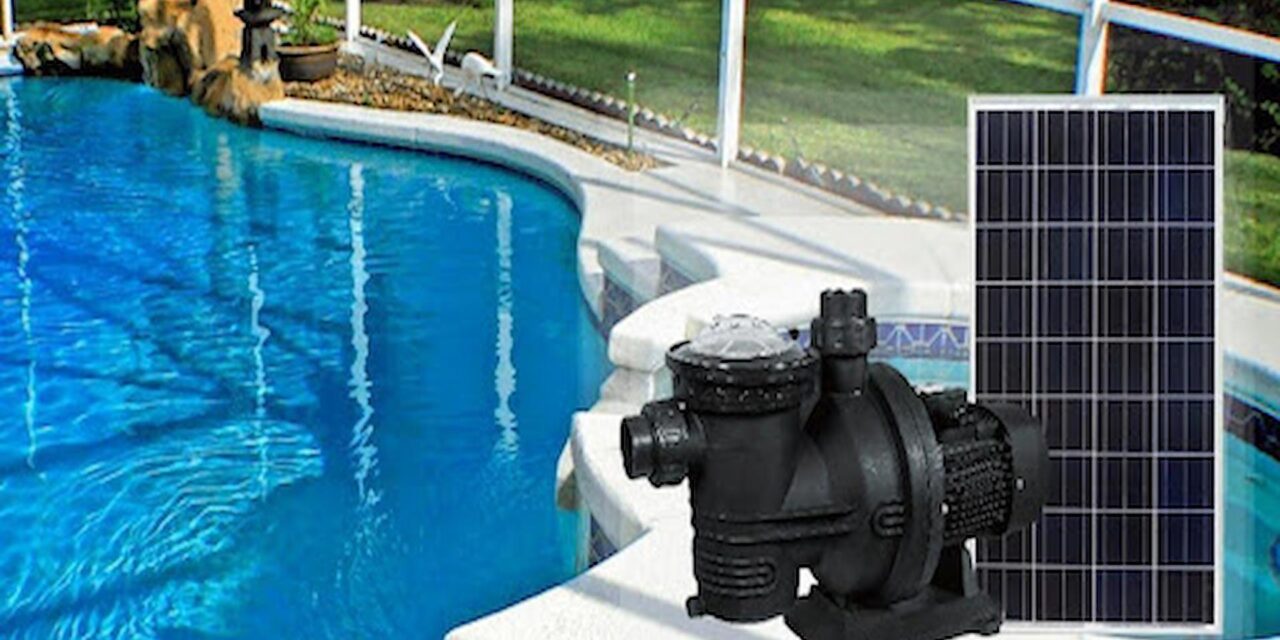
Is your swimming pool pump working harder than it should? Blocked baskets, dirty filters, and air leaks can skyrocket energy use and reduce circulation efficiency. With targeted maintenance steps such as weekly cleaning, O-ring care, and proper pressure management, you can cut electricity costs, protect the motor, and extend pump lifespan. Learn the essential tips that enhance performance, reduce wear, and help you achieve efficient, cost-effective pool care.
A pool pump is the heart of your pool’s circulation system, moving water through filters to keep it clean, healthy, and safe. But without proper upkeep, even the best swimming pool pump can become inefficient—leading to higher energy usage, slow water flow, and costly repairs. Regular maintenance not only protects your equipment but also plays a key role in lowering electricity consumption and extending the life of the motor.
Energy-efficient pool operation isn’t just about buying premium equipment; it’s also about how you care for it daily. With electricity costs rising worldwide and pools running for hours each day, maintaining optimal performance is essential for cost-conscious homeowners.
Why Pump Maintenance Matters for Efficiency
A poorly maintained pump must work harder to move water, which means it uses more power. Reports indicate that efficiency losses in pool systems can increase energy usage by up to 30% when filtration components are neglected. Clean, lubricated, and properly installed systems move water more freely, lowering operational resistance and keeping energy consumption in check.
Keeping the entire circulation system functioning smoothly also improves water clarity, reduces strain on filters, and prevents the need for premature replacements.
Essential Maintenance Practices for Long-Lasting Pump Health
1. Clean the Pump Basket Regularly
Debris such as leaves, grass, and hair can clog the pump basket, restricting water flow. When circulation slows, the motor works harder and electricity usage rises. Checking and cleaning the basket weekly helps maintain consistent pressure and prevents overheating.
2. Check and Lubricate the O-Ring
The O-ring on the pump lid keeps the system sealed and prevents air leaks. If air enters the pump, it reduces suction and efficiency. Apply a silicone-based lubricant every few weeks to extend its lifespan and maintain a proper seal.
3. Monitor Water Level in the Pool
Low water levels can draw air into the pump system, causing cavitation—a process where vapor bubbles collapse inside the pump and damage internal parts. Maintaining the water line at the recommended height ensures smooth operation and consistent flow.
4. Backwash or Clean the Filter on Schedule
When the filter is clogged, the pump must push harder to circulate water, leading to unnecessary power consumption. Cleaning or backwashing according to manufacturer guidelines reduces pressure build-up and helps achieve optimal flow rates.
Tip: If the pressure gauge rises 8–10 PSI from baseline, it’s time to clean the filter.
5. Inspect and Tighten Pump Connections
Loose bolts, clamps, or seals can cause leaks and vibration, increasing motor strain and electrical draw. A quick inspection every month helps identify worn parts before they become expensive problems.
Boosting Efficiency Beyond Basic Maintenance
Upgrade to Variable-Speed Settings
Variable-speed pumps allow you to adjust flow rates based on need rather than running at full power constantly. Studies show that they can reduce energy costs by up to 70% compared to single-speed models. Running slower speeds for longer cycles is more efficient and quieter.
Use a Pool Timer
Automatically scheduling runtimes avoids unnecessary operation. Running your system during off-peak hours can lower electricity costs while keeping water properly circulated.
Maintain Proper Pump Placement
Install pumps in a shaded, dry, and ventilated location. High heat affects motor performance, causing circuitry stress and reducing efficiency over time.
Key Takeaways for Efficient Pump Care
- Clean pump baskets frequently to maintain steady water flow.
- Lubricate seals to prevent air leaks and maintain pressure.
- Keep filters clean and backwash when needed to reduce operational load.
- Monitor water levels to prevent pump damage from cavitation.
- Tighten connections to avoid vibration and efficiency loss.
Troubleshooting Common Performance Symptoms
| Issue | Likely Cause | Quick Action |
| Reduced water circulation | Clogged filter or basket | Clean and backwash |
| Pump making loud noises | Air leaks or loose parts | Inspect seals and tighten fittings |
| Pump overheating | Blocked airflow or long runtimes | Increase ventilation and reduce cycle time |
| Bubble return lines | Low water level or suction leak | Refill pool and inspect O-ring |
Final Remarks
Regular maintenance is the simplest and most effective way to keep your swimming pool pump running at peak efficiency. By cleaning filters, checking seals, monitoring water levels, and scheduling consistent inspections, you protect your investment and significantly reduce the cost of powering your pool. Energy-efficient pump operation is not only better for your wallet, but also improves performance, water clarity, and equipment longevity.
If you’re considering upgrading or replacing your system, explore high-quality options designed for long-term energy savings. Visit trusted suppliers offering durable and efficient pool pumping solutions to find a model that suits your pool’s needs—and enjoy cleaner water with reduced electricity bills.